
What Is Interlocking and Its Impact on Outdoor Spaces
- preciousralph89
- Feb 13
- 8 min read
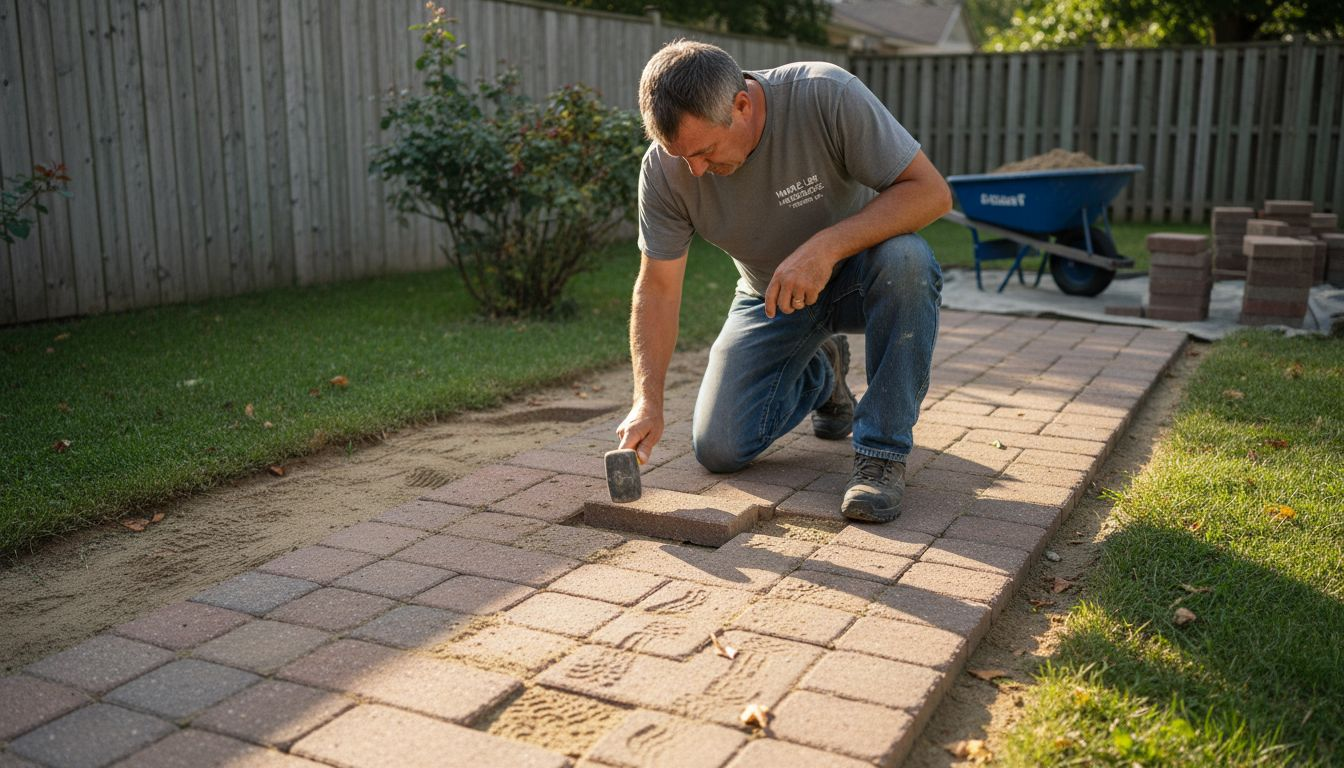
Choosing the right solution for your outdoor space in Etobicoke can feel overwhelming when you want both resilience and standout style. The challenge lies in finding an approach that delivers enduring strength without sacrificing visual appeal. With modern interlocking techniques, homeowners can achieve striking transformations that blend mechanical stability and flexibility for lasting value and stunning curb appeal.
Table of Contents
Key Takeaways
Point | Details |
Understanding Interlocking | Interlocking involves creating sophisticated systems with precise geometric relationships, offering both stability and adaptability while minimising reliance on traditional fastening methods. |
Choosing the Right Pavers | Select interlocking pavers that are appropriate for your specific needs and local climate, considering factors like durability, maintenance, and aesthetic appeal. |
Professional Installation | Proper site preparation and base material installation are crucial for a successful interlocking installation, ensuring longevity and structural integrity. |
Avoiding Common Mistakes | Recognise common pitfalls such as inadequate base preparation and poor drainage design to prevent costly issues and achieve optimal outcomes in your interlocking projects. |
Interlocking Defined: Core Concepts and Misconceptions
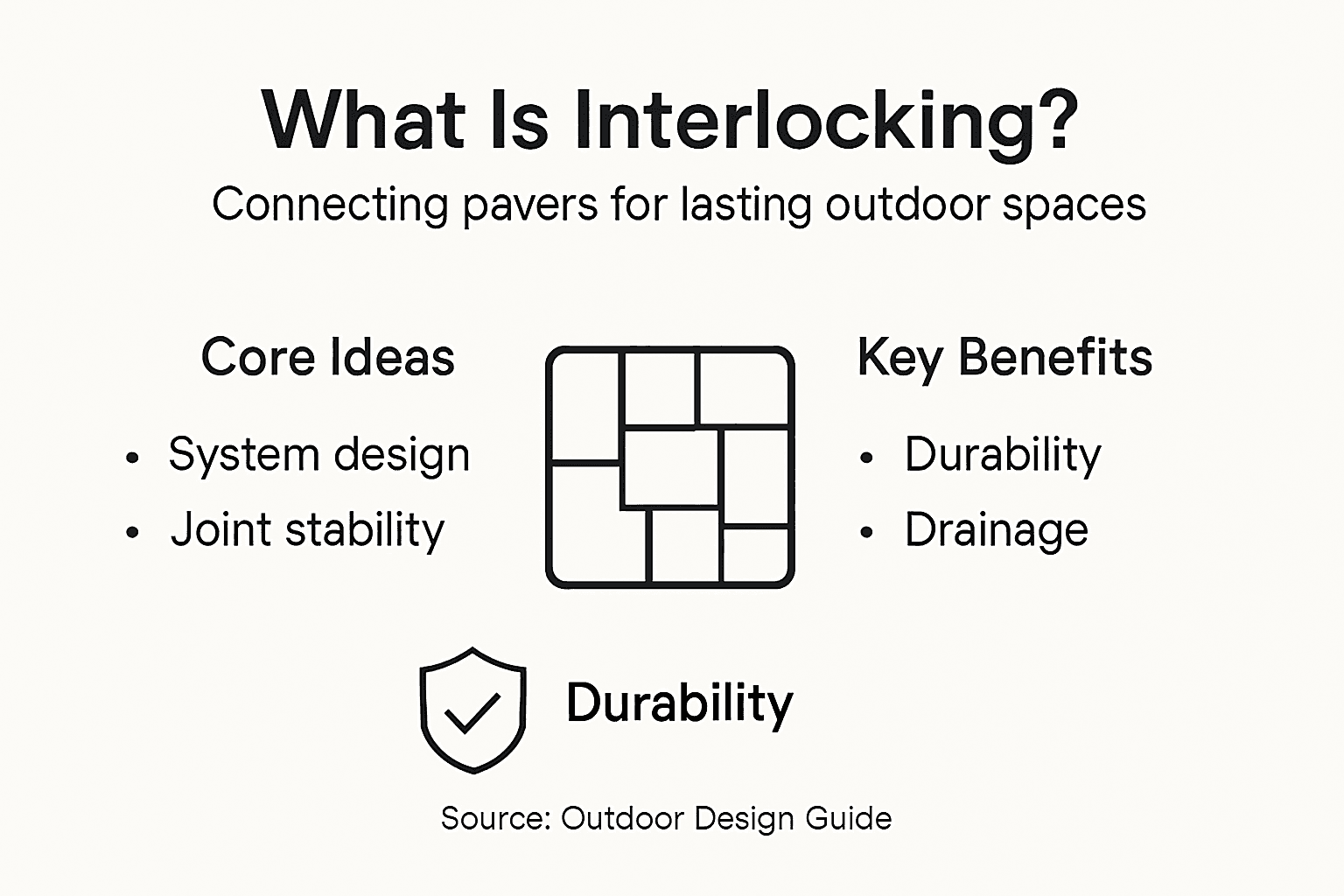
Interlocking represents a sophisticated design strategy where individual components systematically connect to create stable, adaptive systems. Unlike simplistic assumptions about rigid connections, interlocking actually involves nuanced spatial relationships that enable both structural integrity and remarkable flexibility. At its essence, interlocking transcends mere physical attachment, representing a complex engineering approach to creating interconnected structures.
In architectural and design contexts, interlocking systems demonstrate remarkable characteristics:
Provide mechanical stability without permanent adhesion
Allow dynamic component interactions
Enable spatial reconfiguration
Support load distribution across connected elements
Minimise reliance on traditional fastening methods
Contrary to popular misconceptions, interlocking involves sophisticated mechanical interactions that go far beyond basic joining techniques. The core principle involves creating precise geometric relationships where components mutually support and align with each other, generating strength through strategic positioning rather than forced connections.
Understanding interlocking requires appreciating its fundamental design philosophy: creating systems where individual elements contribute collectively to overall structural performance. These systems leverage precise tolerances, complementary shapes, and mechanical principles to achieve remarkable stability and adaptability. Professionals across disciplines—from landscape design to engineering—recognise interlocking as a sophisticated approach to creating robust, flexible structures.
Pro tip: When considering interlocking solutions, always prioritise precision in component design and mutual geometric compatibility over simplistic connection methods.
Popular Types of Interlocking Pavers and Stones
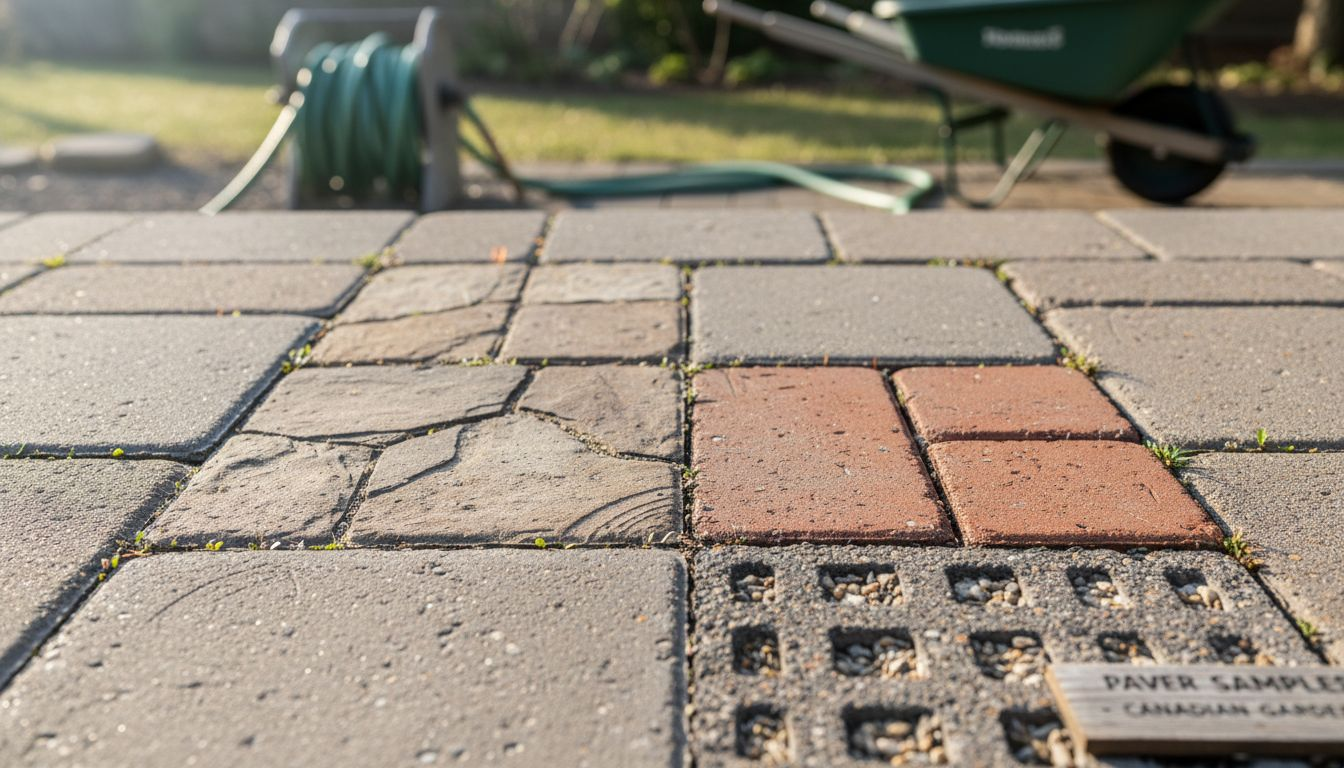
Interlocking pavers and stones represent a versatile range of design solutions for outdoor spaces, offering homeowners in Etobicoke numerous aesthetic and functional options. These materials are engineered to create durable, visually appealing surfaces that can transform driveways, patios, walkways, and landscaping elements. Concrete block designs demonstrate remarkable structural properties that contribute to their widespread use in residential and commercial applications.
The most common types of interlocking pavers include:
Concrete Pavers: Standard rectangular blocks with precise geometric edges
Natural Stone Pavers: Quarried materials like granite, limestone, and slate
Permeable Pavers: Designed with gaps to allow water drainage
Recycled Aggregate Pavers: Environmentally conscious options using reclaimed materials
Decorative Shaped Pavers: Custom designs featuring hexagonal, fan, or irregular shapes
Each paver type offers unique characteristics that impact installation, durability, and visual appeal. Concrete pavers, for instance, provide exceptional strength and come in multiple colour variations, while natural stone pavers deliver a more organic, premium aesthetic. The selection depends on specific design requirements, budget constraints, and desired maintenance levels.
Installation techniques vary significantly between different paver types, with some requiring specialized preparation and precision placement. Mortarless systems have gained popularity due to their flexibility and ease of repair, allowing individual stones to be replaced without disrupting the entire surface. Professionals carefully consider factors like base preparation, edge restraints, and joint sand to ensure long-term performance and stability.
Pro tip: Select interlocking pavers that complement your property’s architectural style and consider local climate conditions to ensure optimal performance and longevity.
Here is a comparison of popular interlocking paver types and how they suit different uses:
Paver Type | Best Use Scenario | Maintenance Level |
Concrete Pavers | Driveways, high-traffic | Low |
Natural Stone Pavers | Patios, luxury spaces | Moderate |
Permeable Pavers | Rain-prone areas | Low |
Recycled Aggregate Pavers | Eco-friendly projects | Low |
Decorative Shaped Pavers | Feature walkways | Moderate |
The Interlocking Process: Step-by-Step Installation
Installing interlocking pavers requires meticulous planning and precision to ensure a durable, aesthetically pleasing outdoor surface. The process involves multiple critical stages that transform an ordinary landscape into a stunning, functional area. Professional installation demands careful preparation, strategic material selection, and expert execution to achieve optimal results.
The comprehensive interlocking installation process typically includes these essential steps:
Site Preparation and Excavation
Remove existing vegetation and debris
Mark designated installation area
Excavate to appropriate depth (usually 6-8 inches)
Ensure proper grading for water drainage
Base Material Installation
Add and compact gravel sub-base
Use crushed stone or limestone screening
Compact in 2-3 inch layers
Achieve precise level surface
Sand Layer Preparation
Spread fine, sharp sand evenly
Create a smooth, uniform 1-inch layer
Level using screed or straight board
Ensure consistent thickness
Professional installers understand that each step requires extraordinary attention to detail. Proper base preparation is crucial, as it determines the longevity and stability of the interlocking surface. Inadequate base construction can lead to shifting, settling, and premature deterioration of the pavers.
The final stages involve precise paver placement, cutting edges to fit unique space requirements, and adding joint sand to lock the system together. Vibrating plate compactors are used to settle the pavers and create a seamless, interlocking connection that distributes weight evenly and prevents individual stones from moving.
Pro tip: Always ensure a minimum 1% slope away from building foundations to guarantee proper water drainage and prevent potential moisture-related issues.
Key Benefits for Canadian Homes and Climate
Interlocking solutions offer remarkable advantages specifically tailored to the unique challenges of Canadian residential environments. Homeowners in regions like Etobicoke face complex weather conditions that demand robust, adaptable outdoor surfacing solutions. Permeable interlocking concrete pavers provide exceptional performance that address multiple environmental and practical considerations.
Key benefits for Canadian homes include:
Superior Drainage: Reduces surface water accumulation
Frost Resistance: Withstands extreme temperature fluctuations
Environmental Sustainability: Supports natural water filtration
Low Maintenance: Minimal upkeep required during seasonal changes
Enhanced Property Aesthetics: Improves visual appeal year-round
The stormwater management capabilities of interlocking systems are particularly crucial in Canadian urban environments. Urban flood mitigation strategies demonstrate how these installations can significantly reduce surface runoff and support groundwater recharge, making them an intelligent choice for environmentally conscious homeowners.
During harsh Canadian winters, interlocking surfaces maintain structural integrity and functionality. Their design allows for natural expansion and contraction, preventing cracking and damage typically associated with traditional concrete or asphalt surfaces. The open-joint design and specialized base layers ensure continued performance even under challenging meteorological conditions.
Pro tip: Choose interlocking materials with high compressive strength and freeze-thaw resistance to maximise long-term durability in challenging Canadian climate conditions.
Common Pitfalls and How to Avoid Them
Interlocking projects can quickly become complicated without proper planning and understanding. Homeowners in Etobicoke frequently encounter challenges that can compromise the longevity and aesthetic appeal of their outdoor spaces. Recognising these potential issues early helps prevent costly mistakes and ensures a successful interlocking installation.
Most common pitfalls include:
Inadequate Base Preparation: Compromises structural stability
Poor Drainage Design: Leads to water accumulation and surface damage
Incorrect Material Selection: Reduces durability and performance
One of the most critical mistakes is insufficient site preparation. Many DIY enthusiasts underestimate the importance of creating a perfectly levelled, well-compacted base. Skipping or rushing this step can result in uneven surfaces, rapid deterioration, and potential safety hazards. Proper excavation requires removing all organic material, creating appropriate slope for drainage, and using high-quality aggregate materials.
The selection of materials plays a pivotal role in project success. Not all pavers are created equal, especially in challenging Canadian climates. Homeowners must consider factors like compressive strength, freeze-thaw resistance, and aesthetic compatibility with existing landscape features. Choosing inexpensive materials without considering long-term performance can lead to premature replacement and unexpected expenses.
Pro tip: Always consult with professional interlocking specialists and obtain multiple expert assessments before commencing your project to identify potential challenges and design optimal solutions.
The following table summarises common pitfalls and recommended strategies to avoid them in interlocking projects:
Pitfall | Impact on Project | Proactive Solution |
Weak Base Compaction | Surface will shift/settle | Use professional compacting tools |
Poor Drainage Design | Water pooling, erosion | Ensure proper grading and slope |
Unsuitable Materials | Early wear or failure | Select climate-appropriate products |
Design Choices to Maximise Curb Appeal
Curb appeal transforms ordinary outdoor spaces into stunning visual narratives that reflect homeowners’ unique style and personality. In Etobicoke’s diverse residential landscapes, interlocking design choices become powerful tools for creating memorable first impressions. Paver selection offers remarkable design flexibility that can dramatically enhance a property’s aesthetic and market value.
Design options for maximising curb appeal include:
Colour Coordination: Match or contrast with home exterior
Pattern Complexity: Select from simple or intricate layouts
Texture Variation: Combine smooth and rough surface elements
Border Detailing: Create visual boundaries and focal points
Material Blending: Mix different paver types for unique looks
The architectural character of different paver styles plays a crucial role in design success. Concrete pavers offer uniformity and modern simplicity, while natural stone provides an organic, timeless elegance. Homeowners can create visual interest through strategic pattern selection, such as herringbone, basket weave, or running bond configurations that add depth and dimension to outdoor spaces.
Material selection extends beyond aesthetic considerations to include practical performance attributes. Climate-resistant materials that maintain colour integrity and structural stability become essential in Canadian environments. Thoughtful colour choices can complement architectural features, create visual continuity, and reflect individual design preferences while ensuring long-term durability.
Pro tip: Request physical samples and create small layout mockups to visualise how different paver designs will interact with your specific landscape and home exterior.
Elevate Your Outdoor Space with Expert Interlocking Solutions
Understanding the complexities of interlocking systems is the first step toward creating a durable and beautiful outdoor environment that withstands Canadian weather challenges. If you are struggling with issues like poor drainage, base instability, or selecting the right materials, trust in precision and expertise to turn your vision into reality. At Interlocking Etobicoke, we specialise in delivering custom-designed patios, driveways, and walkways that combine mechanical stability with aesthetic elegance to enhance your property’s curb appeal.
Transform your outdoor space with confidence by choosing professionals who prioritise exacting base preparation, climate-appropriate paver selection, and thoughtful design choices. Don’t risk common pitfalls that lead to costly repairs and disappointment. Visit Interlocking Etobicoke to explore premium interlocking options and experience over 20 years of craftsmanship that brings families and communities together. Start your project today to enjoy an outdoor living area built to last through every season.
Frequently Asked Questions
What is interlocking in outdoor design?
Interlocking is a design strategy where individual components connect systematically to create stable, flexible outdoor surfaces. It involves nuanced spatial relationships that allow for mechanical stability without permanent adhesion.
What are the benefits of using interlocking pavers?
Interlocking pavers offer several benefits, including superior drainage, frost resistance, low maintenance, and enhanced property aesthetics. They help in managing stormwater and can withstand harsh weather conditions.
How does the installation process for interlocking pavers work?
The installation process includes steps such as site preparation and excavation, base material installation, sand layer preparation, precise paver placement, and adding joint sand to lock the pavers in place, ensuring durability and aesthetic appeal.
What types of interlocking pavers are available for outdoor spaces?
Common types of interlocking pavers include concrete pavers, natural stone pavers, permeable pavers, recycled aggregate pavers, and decorative shaped pavers. Each type has unique characteristics impacting aesthetics and performance.
Recommended
Comments